Electric Bicycles for Urban Commuters
Transform your daily commute with the perfect urban e-bike. Skip the traffic, arrive fresh, and embrace a sustainable, fast, and fun way to navigate the city streets.
Buy NowThe Rise of Electric Bicycles for Urban Commuters
Over the past decade, the landscape of city transportation has undergone a dramatic transformation. Among the most significant changes is the exponential rise in popularity of electric bicycles for urban commuters. As metropolitan areas become increasingly congested and the environmental impact of traditional fossil-fuel vehicles becomes impossible to ignore, e-bikes have emerged as the ultimate solution for modern, efficient, and sustainable transit.
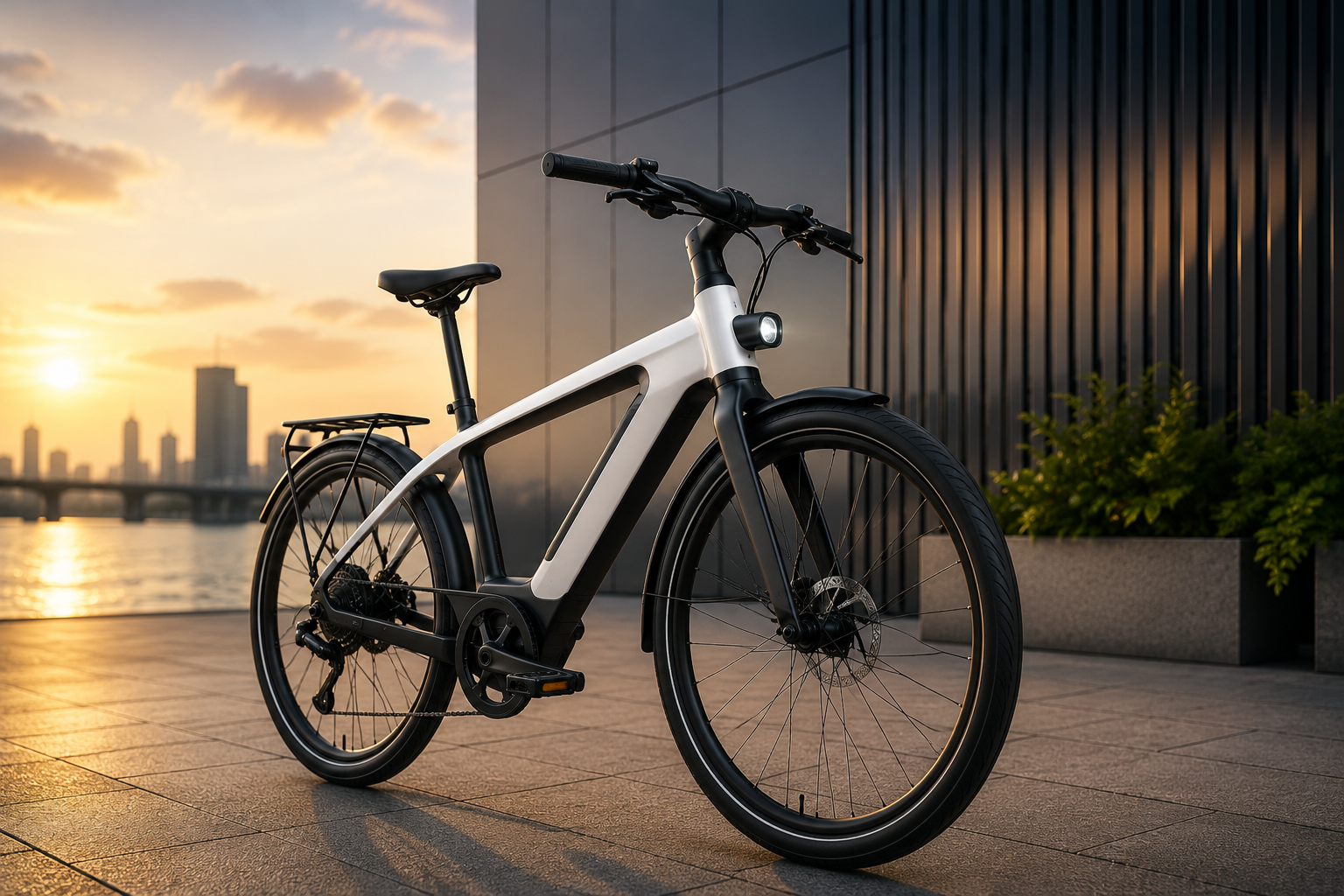
But what exactly makes an electric bicycle the perfect choice for the urban commuter? It boils down to a combination of convenience, cost-effectiveness, and pure enjoyment. Traditional cycling, while excellent for health and the environment, often presents practical challenges for the daily commuter. Arriving at the office drenched in sweat after tackling steep city hills is a common deterrent. Electric bicycles seamlessly solve this problem by providing a motorized boost that augments your pedaling power. This means you can ride faster, conquer inclines with ease, and arrive at your destination feeling refreshed and ready to tackle the day.
Furthermore, electric bicycles for urban commuters are not just a trend; they represent a fundamental shift in how we think about urban mobility. With continuous advancements in battery technology, modern e-bikes are lighter, more powerful, and feature significantly longer ranges than their predecessors. They are capable of replacing cars for a vast majority of short to medium-distance urban trips, offering a viable, green alternative that actively reduces a city's carbon footprint and traffic congestion. Whether you are navigating the dense streets of New York, the sprawling avenues of Los Angeles, or the historic lanes of Boston, an e-bike is your ticket to a more liberated and enjoyable daily commute.
Featured e-book
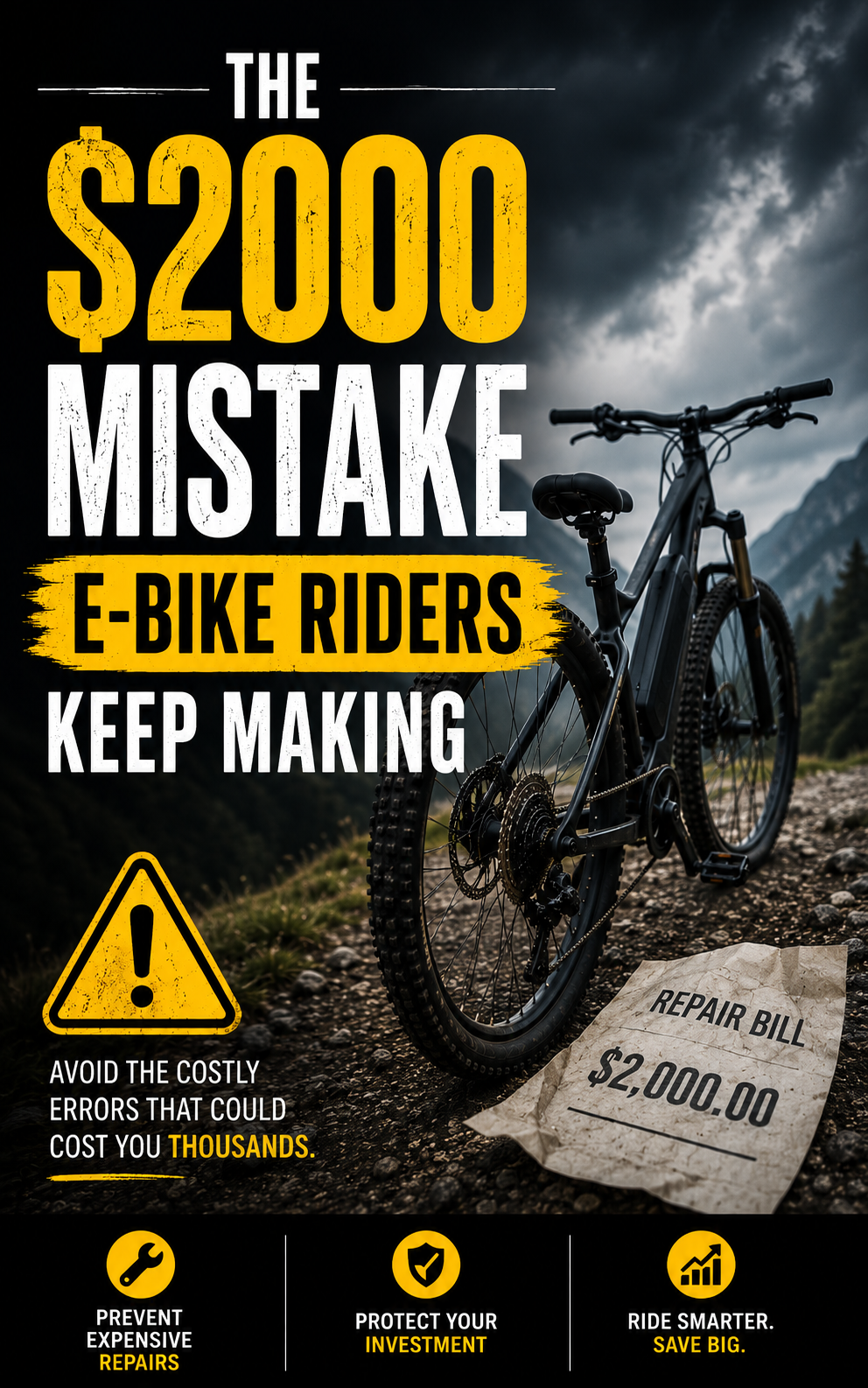
Avoid the $2000 e-bike mistake before it happens
My Kindle guide, The $2000 Mistake E-Bike Riders Keep Making: Avoid the Costly Errors That Could Cost You Thousands, helps riders think through expensive ownership mistakes before they turn into repair bills, replacement parts, or buyer's remorse.
Buy it on AmazonTypes of Urban E-Bikes: Finding Your Perfect Match
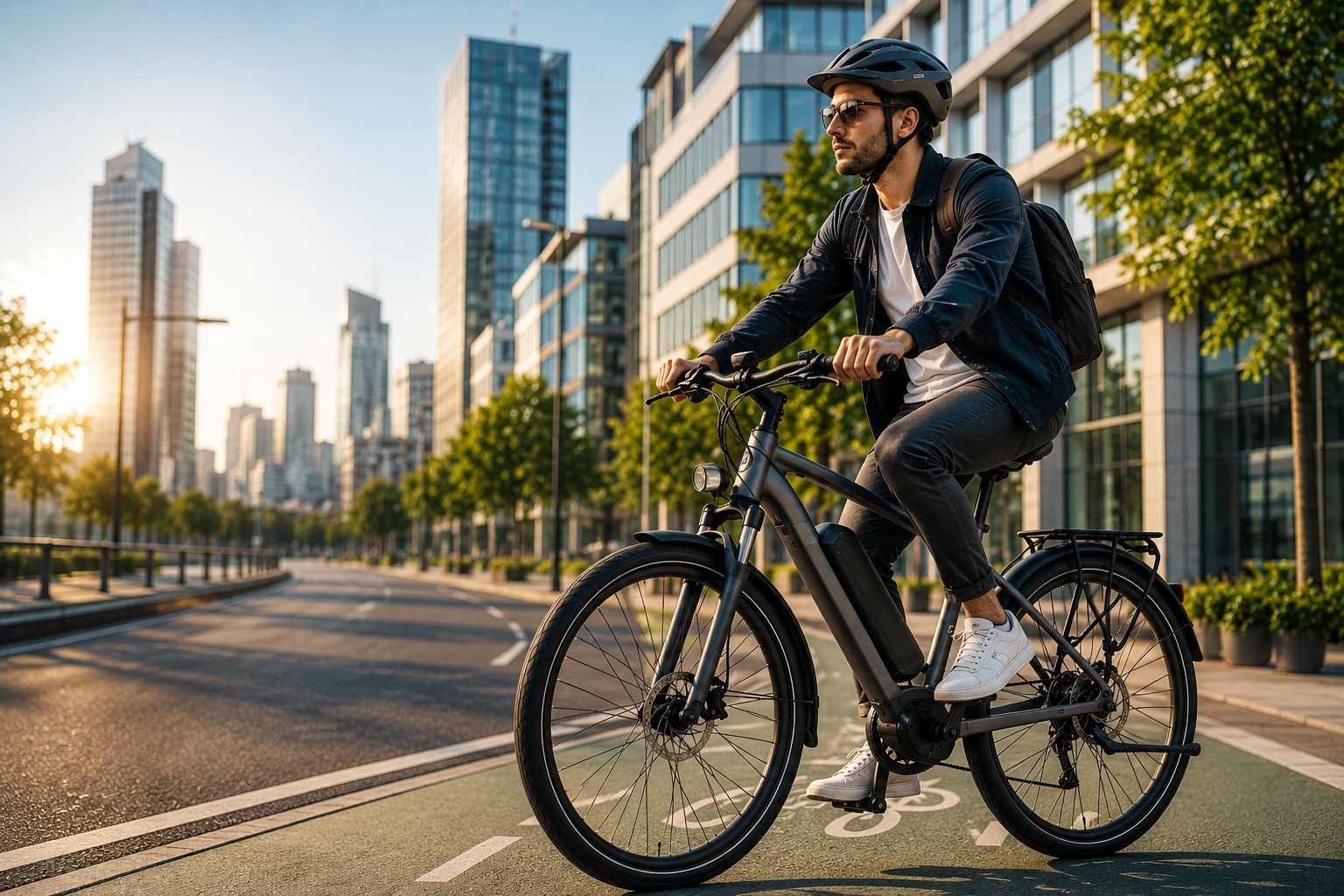
When you begin shopping for electric bicycles for urban commuters, you will quickly discover that the market is incredibly diverse. Manufacturers have recognized that urban commuters have varying needs, resulting in several distinct categories of city-focused e-bikes. Understanding these categories is crucial to selecting the model that will best serve your specific lifestyle and commute.
1. The Classic Commuter E-Bike
This is the quintessential electric bicycle designed specifically for the daily grind. Commuter e-bikes prioritize comfort, durability, and practicality. They typically feature an upright riding position, which is essential for visibility in city traffic and reduces strain on your back and neck. These bikes almost always come fully equipped with essential urban accessories: integrated front and rear LED lights powered by the main battery, full-coverage fenders to protect your work clothes from puddles, and sturdy rear racks for carrying panniers, laptops, or groceries. The tires are generally medium-width, offering a perfect balance between low rolling resistance for speed and enough volume to absorb the bumps and potholes of city streets. If your primary goal is a reliable, no-nonsense daily workhorse, the classic commuter e-bike is an excellent choice.
2. The Folding E-Bike
For commuters who utilize public transportation for a portion of their journey, or for those with limited storage space in their apartments or offices, the folding e-bike is a game-changer. These compact wonders feature frames that collapse in seconds, allowing you to easily carry them onto trains, buses, or subway cars. Once folded, they can be tucked neatly under a desk or stored in a small closet. Despite their smaller wheel size (typically 16 to 20 inches), modern folding e-bikes pack a surprising punch, often featuring motors and batteries capable of handling substantial city commutes. While they may not offer the same top speed or plush ride quality as a full-sized commuter, their unparalleled versatility makes them incredibly popular among multi-modal urban commuters.
3. The Cargo E-Bike
If your urban lifestyle involves carrying more than just a laptop bag—perhaps you need to transport children to school, carry a week's worth of groceries, or deliver goods—the cargo e-bike is the ultimate car replacement vehicle. These heavily reinforced bicycles feature extended frames designed specifically to bear heavy loads. They come in various styles, including "longtails" (where the cargo sits behind the rider) and "front-loaders" (where the cargo sits in a large bucket in front of the rider). The electric motor is absolutely essential here, as pedaling a heavily loaded bike from a dead stop would otherwise be a daunting task. Cargo e-bikes are revolutionizing family transport and urban logistics, proving that you don't need a massive SUV to navigate the city with substantial cargo.
4. The Urban Cruiser / Comfort E-Bike
Prioritizing comfort and style above all else, urban cruisers are perfect for flat, leisurely commutes and weekend rides along the waterfront or park paths. They typically feature wide, swept-back handlebars, a highly upright seating posture, and plush, oversized saddles. Many models feature "step-through" frames, making them incredibly easy to mount and dismount, regardless of your attire. While they might not be the fastest option for a high-intensity, long-distance commute, they offer a relaxed, joyful riding experience that is perfect for many city dwellers.
Comprehensive Buying Guide: What to Look For
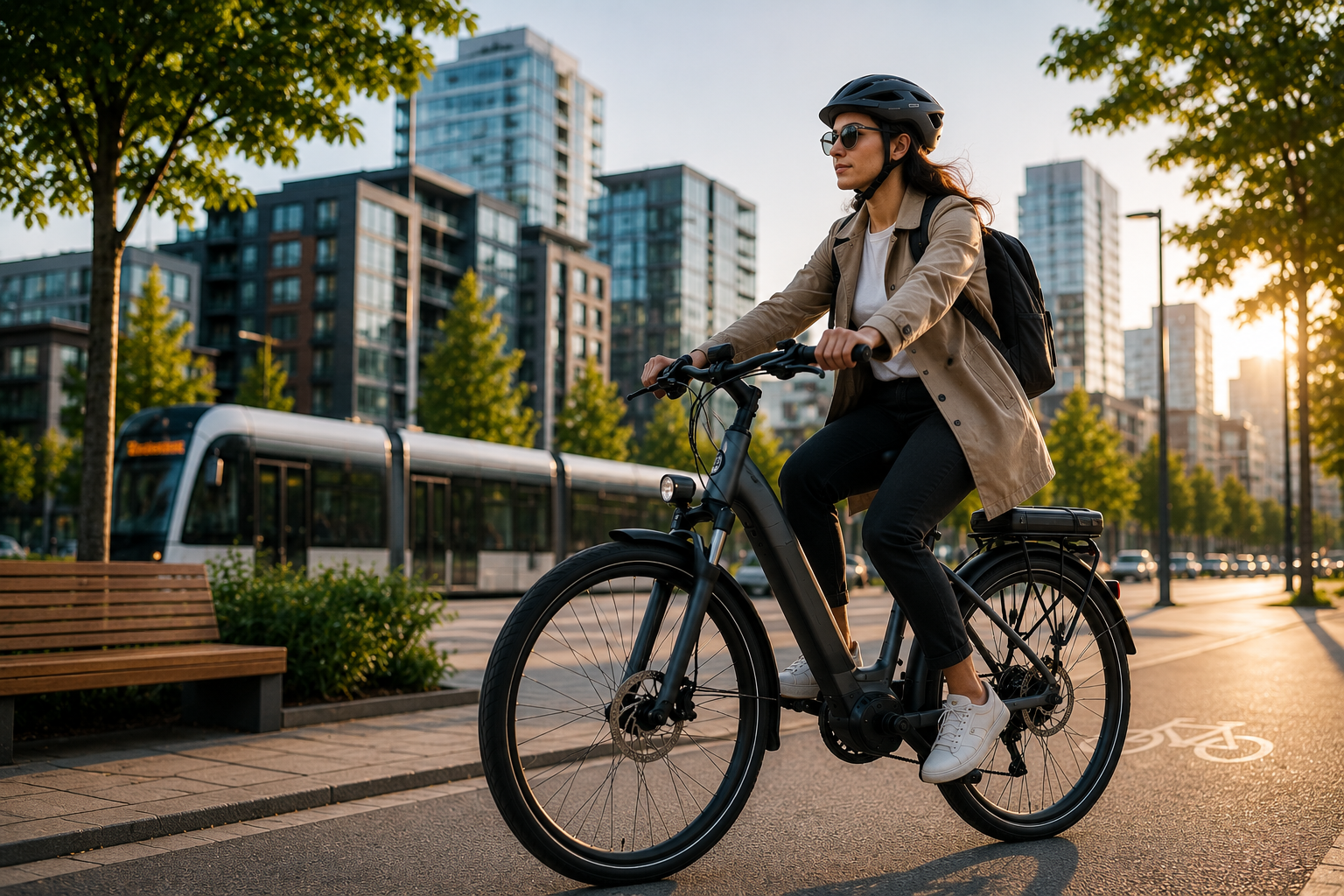
Investing in an electric bicycle is a significant decision. To ensure you choose the best electric bicycle for urban commuting, you must evaluate several key technical components and features. Here is a comprehensive breakdown of what you should consider before making your purchase.
Motor Types: Hub vs. Mid-Drive
The motor is the heart of your e-bike, and the two primary types dictate how the bike handles and performs. Hub motors are located entirely within the hub of either the front or rear wheel. They are generally less expensive, incredibly reliable due to having fewer moving parts, and require zero maintenance. However, because they directly turn the wheel, they are less efficient on very steep hills and can make the bike feel slightly unbalanced due to the weight distribution. Mid-drive motors, on the other hand, are positioned at the bike's bottom bracket, directly connected to the cranks and gears. This placement ensures a perfectly balanced center of gravity. More importantly, mid-drive motors leverage the bike's existing gearing system, making them incredibly efficient and capable of tackling the steepest urban inclines with ease. While generally more expensive, mid-drive motors offer a more natural, traditional cycling feel that many experienced riders prefer.
Understanding Battery Capacity and Range
A dead battery halfway through your commute defeats the purpose of an e-bike. Therefore, battery capacity—measured in Watt-hours (Wh)—is arguably the most critical specification. A higher Wh rating directly translates to a longer range. For most urban commuters, a battery offering between 400Wh and 500Wh is the sweet spot, typically providing a real-world range of 30 to 50 miles per charge depending on the level of pedal assist used, rider weight, and terrain. When evaluating range claims from manufacturers, remember that they are often calculated under ideal conditions. It is always wise to choose a battery with a slightly larger capacity than you think you need to account for battery degradation over time and to ensure you have enough juice for unexpected detours. Additionally, consider whether the battery is removable. A removable battery allows you to securely lock your bike on the street while taking the battery inside your office or apartment to charge, which is a massive convenience for city living.
Sensors: Cadence vs. Torque
The type of sensor your e-bike uses determines how the motor delivers its power. Cadence sensors act like an on/off switch; as soon as you start pedaling, the motor kicks in at a set power level, regardless of how hard you are pushing. They are simple, inexpensive, and common on budget-friendly e-bikes. Torque sensors, conversely, measure exactly how much force you are applying to the pedals and deliver motor assistance proportionally. If you push lightly, the motor provides a gentle assist; if you pedal hard to accelerate or climb a hill, the motor delivers maximum power. Torque sensors provide an incredibly smooth, intuitive, and natural riding experience, making the motor feel like an extension of your own legs. While more expensive, they are highly recommended for a premium commuter experience.
Essential Safety Features: Brakes and Lighting
Safety is paramount when navigating chaotic city streets. For electric bicycles for urban commuters, hydraulic disc brakes are virtually mandatory. E-bikes are heavier and travel faster than traditional bicycles, requiring significant stopping power. Hydraulic disc brakes provide exceptional, consistent stopping force in all weather conditions, ensuring you can safely navigate sudden stops in traffic. Furthermore, integrated lighting is crucial. Ensure your e-bike comes equipped with high-lumen front headlights and bright rear taillights that are wired directly into the main battery. This eliminates the need to constantly recharge separate light batteries and ensures you are always visible to motorists, pedestrians, and other cyclists during early morning, evening, or overcast commutes.
Comparison Chart: Top Electric Bicycles for Urban Commuters
To help you navigate the crowded market, our experts have compiled a comparison of the top-rated electric bicycles for urban commuters available this year. We evaluated these models based on range, motor performance, comfort, build quality, and value for money.
| Model | Best For | Motor Type | Range (Est.) | Price Tier |
|---|---|---|---|---|
| CityGlide Pro X | Overall Commuting | 500W Mid-Drive | 45-60 Miles | Premium ($$$) |
| UrbanFold Metro | Multi-Modal / Small Spaces | 350W Rear Hub | 25-35 Miles | Mid-Range ($$) |
| CargoHauler 5000 | Families & Groceries | 750W Mid-Drive | 40-50 Miles | Premium ($$$) |
| Breeze Step-Thru | Comfort & Leisure | 500W Rear Hub | 30-45 Miles | Budget-Friendly ($) |
| Speedster GT Commuter | Long Distances & Speed | 750W Rear Hub | 50-70 Miles | High-End ($$$$) |
Note: Range estimates vary based on terrain, rider weight, and pedal-assist level utilized. Always check manufacturer specifications for exact details before purchasing.
Cost and Efficiency Analysis: E-Bike vs. Car
One of the most compelling arguments for switching to an electric bicycle for urban commuting is the incredible financial savings. When you factor in the rising costs of gasoline, exorbitant city parking fees, insurance premiums, and routine maintenance, the cost of owning and operating a car in a metropolitan area is staggering.
Estimated Annual Commuting Cost Comparison
Charging an e-bike battery typically costs just a few pennies per charge. Routine maintenance—like replacing brake pads, tires, and chain lubrication—is a fraction of the cost of car repairs. For many urban dwellers, an e-bike pays for itself entirely within the first six to eight months of ownership, leaving thousands of dollars in your pocket every year thereafter.
Pros and Cons of E-Bike Commuting
While we firmly believe that electric bicycles are the future of urban transport, it is important to provide a balanced view. Here are the primary pros and cons to consider:
The Pros
- Zero Sweat Commute: Arrive at work fresh and ready, eliminating the need for office showers.
- Beat the Gridlock: Utilize bike lanes to bypass traffic jams, making your commute faster and more predictable.
- Financial Savings: Massive reductions in transportation costs compared to driving.
- Eco-Friendly: Zero direct emissions; significantly reduces your carbon footprint.
- Health Benefits: Even with pedal assist, you are engaging your cardiovascular system and getting exercise.
The Cons
- Upfront Cost: High-quality e-bikes require a significant initial investment compared to traditional bikes.
- Theft Risk: E-bikes are high-value targets for thieves in cities, requiring heavy, expensive locks.
- Weight: They are significantly heavier than traditional bikes, making them difficult to carry up stairs.
- Weather Dependency: Commuting in heavy rain, snow, or extreme cold requires specialized gear and commitment.
- Battery Degradation: Batteries eventually lose capacity and will need expensive replacement every 3-5 years.
Maintenance and Care for City E-Bikes
To protect your investment and ensure your electric bicycle for urban commuting remains reliable year after year, routine maintenance is essential. While the electrical components are generally sealed and maintenance-free, the mechanical parts require regular attention.
First and foremost, keep your drivetrain clean. City streets are filled with grit and grime that will rapidly accelerate the wear on your chain, cassette, and chainrings. Wipe down your chain regularly and apply a high-quality bicycle lubricant suited for your local weather conditions. Secondly, monitor your tire pressure constantly. Keeping your tires inflated to the recommended PSI prevents pinch flats, improves range by reducing rolling resistance, and protects your rims from pothole damage. Finally, pay close attention to your brake pads. Because e-bikes are heavier and faster, brake pads wear out significantly quicker than on standard bikes. Have them inspected by a professional mechanic every few months, or learn to replace them yourself—it is a simple and invaluable skill for an e-bike commuter.
Testimonials from Real Urban Commuters
Don't just take our word for it. Here is what real city dwellers have to say about their transition to electric bicycles for urban commuting:
Frequently Asked Questions (FAQs)
Embracing an electric bicycle for your urban commute is more than just buying a new mode of transportation; it is a lifestyle upgrade that pays dividends in your health, your wallet, and your daily happiness. With the right research and a clear understanding of your specific city needs, you can find the perfect e-bike to conquer your commute and reclaim your time.